

The F1 Commission met yesterday and pushed a fresh wave of 2026 regulation refinements toward next month’s World Motor Sport Council vote. A quiet meeting on paper. A meaningful one underneath. These are the changes that will shape how the first year of the new era actually feels. Every proposal remains subject to WMSC approval next month. Here is your rundown on the proposed changes discussed at the F1 Commission 2026 Regulations meeting.
Key Points
• 2026 Technical, Sporting, Financial and Operational updates head to the WMSC on December 10.
• Mandatory two-stop races discussed. No agreement yet.
• Tyre-life limits and compound rules reviewed after Pirelli simulations.
• ATR figures added. A 100 percent reference team currently sits at roughly 320 wind-tunnel runs, 80 wind-on hours and around 2,000 CFD solves per period.
• New 55 percent minimum livery coverage confirmed to reduce bare carbon.
• Drivers set to be allowed to change their permanent numbers.
• Driving Cooling System discussions continue with new designs and a possible weight allowance increase.
A Meeting That Sets the Direction of the New Era
The session opened with tyres. Teams and Pirelli presented simulations based on the 2026 cars and early stint models. A mandatory two-stop rule resurfaced. It could protect race variation if the new cars lean toward long, clean stints. But the Commission hesitated. Everyone wants real-world data from the opening rounds before touching strategy at that scale.
Tyre-life limits and compound usage followed the same path. Lots of modelling. No firm decisions. The sport is waiting to see how the new regulations behave under proper pressure.
Technical Shifts Beneath the Surface
Aerodynamic Testing Restrictions have been tightening quietly. A 100 percent reference team is currently limited to around 320 wind-tunnel runs and roughly 80 hours of wind-on time per ATR window, plus close to 2,000 CFD items to solve. The FIA is reshaping those caps and the sliding-scale multipliers so the regulations reflect modern simulation power without letting costs drift. The updated ATR package will now move to the WMSC.
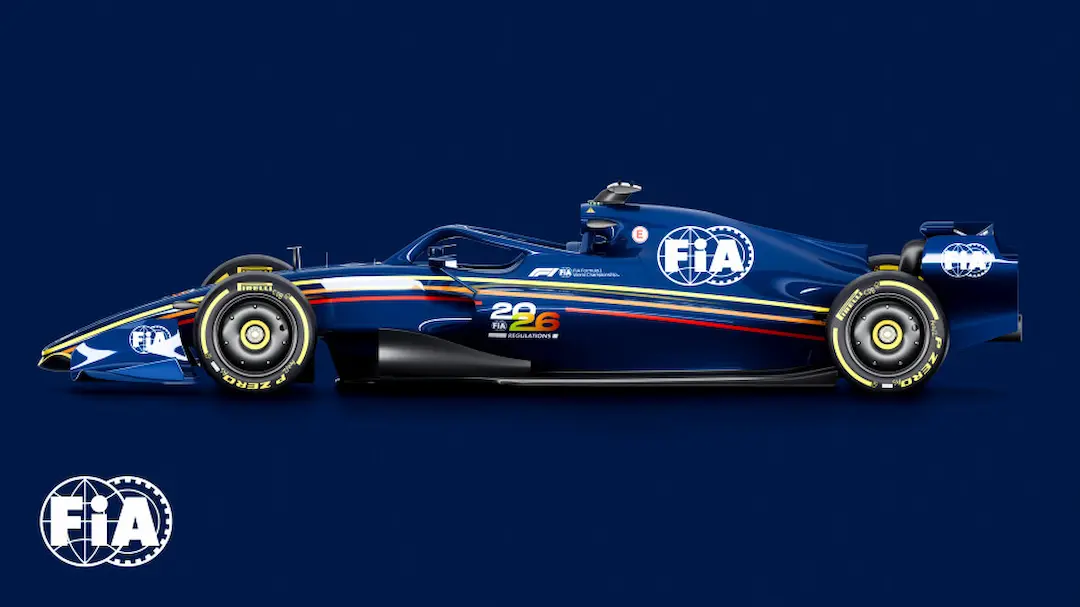
Then came the most visible change. From 2026, at least 55 percent of every car must be painted or stickered. The bare-carbon trend had taken over as teams chased every gram. It helped performance. It hurt identity. This rule pulls the grid back toward cars fans can distinguish at speed. It also calms concerns that the 2026 grid might turn into a sea of black as teams battle weight.
Numbers, Cooling and Driver Feedback
Driver numbers returned to the agenda. The rule that ties drivers to one number for their entire career is being softened. The Commission supports allowing changes at defined career points. It reflects how drivers evolve and how teams want flexibility around branding.
Cockpit cooling closed the meeting. The Driving Cooling System may become mandatory for 2026. New garments, a revised layout and a possible weight allowance were discussed. But flexibility will be key. One setup won’t suit every driver. The FIA will consult the GPDA before pushing anything forward.
Explore more governance and regulation coverage from Coffee Corner Motorsport:
⚖️ Formula 1 Cost Cap Review Delays Raise Questions as FIA Silence Fuels Speculation
💰 FIA 2024 Cost Cap Review: What the Delays Reveal About F1’s Financial Oversight
📊 FIA Confirms $215M F1 Cost Cap for 2026: Spending Won’t Rise
🗳️ FIA Election 2025: Ben Sulayem Set to Run Unopposed
📰 Tim Mayer Withdraws from FIA Presidential Race
📅 FIA President Election 2025: Candidates and Key Dates
🔍 Villars’ Legal Action Puts the 2025 Presidency Under Pressure
More ‘Inside the FIA’ stories coming soon on Coffee Corner Motorsport.
Coffee Corner Take – F1 Commission 2026 Regulations
This wasn’t a headline meeting. It was a foundational one. The kind that decides whether a new era starts smoothly or stumbles.
The livery rule will get attention. With the weight of the 2026 cars already a major concern, bare carbon had, in previous years, become the easy escape route. Good for the scales. Terrible for the show. Forcing teams back toward colour will help the sport reset its visual identity without derailing development. A move that will please the sponsors, no doubt.
The cooling conversation matters just as much. The FIA is finally treating cockpit heat as a welfare and performance topic. But one system won’t suit everyone. Cooling needs will differ once the new cars are running in real temperatures again. As we’ve heard this season, drivers aren’t aligned on this. Some want stronger cooling. Others feel it adds complexity or weight they don’t want.
The tyre debate is broader than strategy. Wear and degradation fell because Pirelli followed the brief the sport gave them. If the 2026 cars produce long, stable stints, the discussion won’t be about gimmicks or forced two-stoppers. It will be about whether the tyres need a new brief to bring variation back. The attempts to artificially inject excitement through enforced strategy windows haven’t worked. Teams know it. Fans feel it. The sport is wary of repeating that mistake.
ATR changes were overdue. CFD capacity today is nothing like it was a decade ago. The rules have to keep pace or development risks freezing. Like the cost cap, the ATR works to a point. But it has to evolve with technology or it risks falling behind the reality of modern development.
As for driver numbers, whilst some drivers may welcome the chance to move, with many drivers designing their personal brands and logos around their race number, It feels like a rule that will benefit newcomers more than established drivers. Most of today’s grid have brand identities built around their number.
Everything now moves to the WMSC vote in December. That meeting will lock the final wording. Today set the direction. The next era is almost here. The detail work is finally catching up.
FIA.com
Join the Coffee Corner Motorsport Community
Dive into full race reports, data stories, and behind-the-scenes features
across Formula 1, Formula 2, and beyond.