
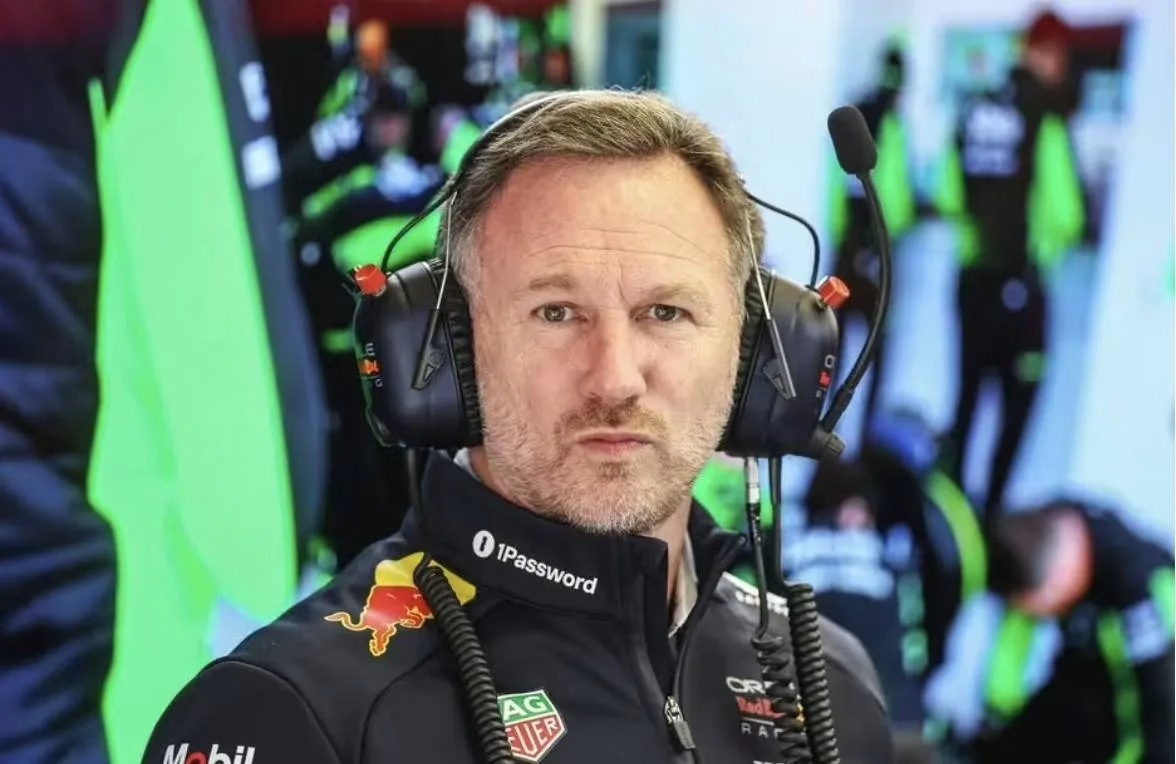

Wednesday 9 July 2025 – Red Bull Racing have officially sacked Christian Horner, bringing an abrupt end to a 20-year reign that delivered success, controversy, and one of the most dominant dynasties Formula 1 has seen.
The news hit like a thunderclap across the paddock. It was a shock to all, especially as it had seemed Horner had weathered the storm. The team released a statement Wednesday confirming his immediate removal from all duties.
Horner leaves behind a record of 124 wins, 104 poles, and 14 world titles – including six Constructors’ Championships and eight Drivers’ titles – having led Red Bull from upstart to powerhouse.
Laurent Mekies will step up from Red Bull’s sister team to become CEO and Team Principal of Red Bull Racing. Alan Permane, previously Racing Director at Racing Bulls, now takes over operations in Faenza.
The decision comes mid-season. Red Bull are currently fourth in the Constructors’ standings, and fractures at the top have become impossible to ignore.
A Legacy Built, Then Broken
Horner’s rise began in 2005, when Red Bull acquired Jaguar Racing. At just 31, he was the youngest team boss on the grid. He oversaw Vettel’s four-title streak, steered the team through hybrid era struggles, and rebuilt it around Max Verstappen to dominate again from 2021.
But things began to unravel in early 2024. Horner was internally investigated over alleged misconduct. Though Red Bull GmbH cleared him, private message leaks reignited controversy and media pressure. His grip on power weakened.
Trust eroded. Backing shifted. By mid-2025, Horner’s position had become untenable.
The Silent Exodus
The signs were there.
- Rob Marshall, Red Bull’s engineering chief, left for McLaren in 2023
- Adrian Newey, F1’s most celebrated designer, quietly exited after the 2024 Miami Grand Prix. He now heads Aston Martin’s 2026 programme
- Jonathan Wheatley, Horner’s closest ally and long-time Sporting Director, was placed on gardening leave in early 2025. He is now working with Audi ahead of their full entry in 2026
With Horner now gone, only Helmut Marko remains from the original leadership team. Even his influence has faded.
Red Bull are still competitive. But the identity that defined them is dissolving.
Power Struggles Since Mateschitz
After Red Bull founder Dietrich Mateschitz passed away in 2022, the company’s balance of power shifted.
Ownership split between his son, Mark Mateschitz, and the Yoovidhya family of Thailand, who hold a majority stake.
Horner was initially protected by the Thai side of the board. That support helped him survive the 2024 scandal and consolidate control over Red Bull Powertrains.
But results dipped. Internally, patience ran out. Mark Mateschitz grew frustrated with the headlines. The Thai board began to reassess their stance.
Once the internal consensus shifted, Horner’s fate was sealed.
Verstappen: What Now?
The exit of Horner leaves Max Verstappen at a crossroads.
The team he trusted is unrecognisable. His core circle – Horner, Newey, Wheatley, Marko – has collapsed. Only Marko remains, and Verstappen’s loyalty has always been shaped by people, not just performance.
His contract runs to 2028, but contains performance and personnel-related exit clauses. Horner’s sacking could activate them. They may already be activated.
Verstappen is reportedly calm but cautious. He wants clarity on the team’s direction and structure.
Mercedes still have both 2026 seats open. Ferrari have Leclerc and Hamilton signed but will always remain attractive. Aston Martin, now backed by Newey, is also emerging as a wildcard and serious contender.
Or Max could simply walk away.
Mekies Inherits a Divided Empire
Laurent Mekies now takes control of a team in flux.
The former Ferrari and FIA man is respected and politically astute, but this is uncharted territory. He inherits a fractured technical core, a driver who might leave, and a manufacturer partnership with Ford that demands progress.
Speaking today before starting in Milton Keynes, Mekies called it “an honour” and vowed to bring “unity and competitiveness” back to Red Bull. His first task: convince Verstappen to stay.
Why It Happened Now
The official line was brief. No detailed explanation. But the timing reveals plenty.
Red Bull are fourth. Verstappen has two wins in 2025. Political drama has become a weekly distraction. The board, including figures from Salzburg and Thailand, saw a reset as the only option.
Ford, due to enter in 2026, also reportedly pushed for clarity. With the power unit programme expanding, they wanted certainty in leadership.
It became clear. Either Red Bull changed, or risked losing everything.
An Emotional Exit
On Wednesday, Horner returned to Red Bull’s factory in Milton Keynes for one final address.
Witnesses described the atmosphere as “emotional but respectful.” Horner, visibly moved, thanked staff for two decades of loyalty. He spoke about the journey, the battles, the legacy – and said goodbye.
It wasn’t how he imagined it ending. But it was final.
The End of the Horner Era
From the team’s first win in China 2009 to double title glories under Verstappen, Horner’s record speaks for itself.
- 124 wins
- 104 pole positions
- 14 championships
- 20 years of leadership
But in F1, legacies don’t guarantee longevity. In less than 18 months, Red Bull have lost Rob Marshall, Adrian Newey, Jonathan Wheatley, and now Christian Horner.
If Verstappen follows, it will be the full collapse of a generation.
The next chapter starts now. But the cost of getting it wrong will be visible on track.
Join the Coffee Corner Motorsport Community
Dive into full race reports, data stories, and behind-the-scenes features
across Formula 1, Formula 2, and beyond.