


The 2026 F1 grid is starting to take shape. Ferrari have Hamilton and Leclerc. McLaren are tied up with Norris and Piastri. Williams went bold with Albon and Sainz. Even Audi and Cadillac have their line-ups sorted.
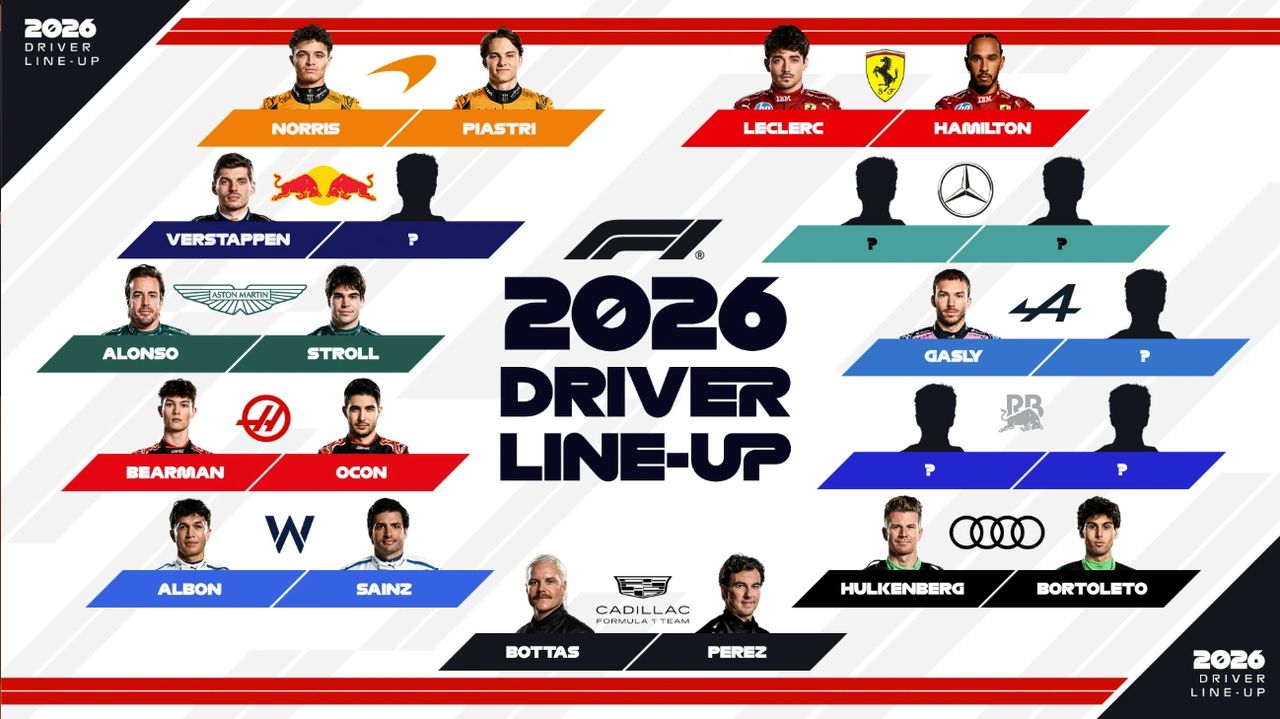
But three big stories are still running. Mercedes, Alpine, and Red Bull have not called their shots. And until they do, the shape of the 2026 F1 driver market is not finished.
Mercedes: Still cleaning up the Verstappen mess
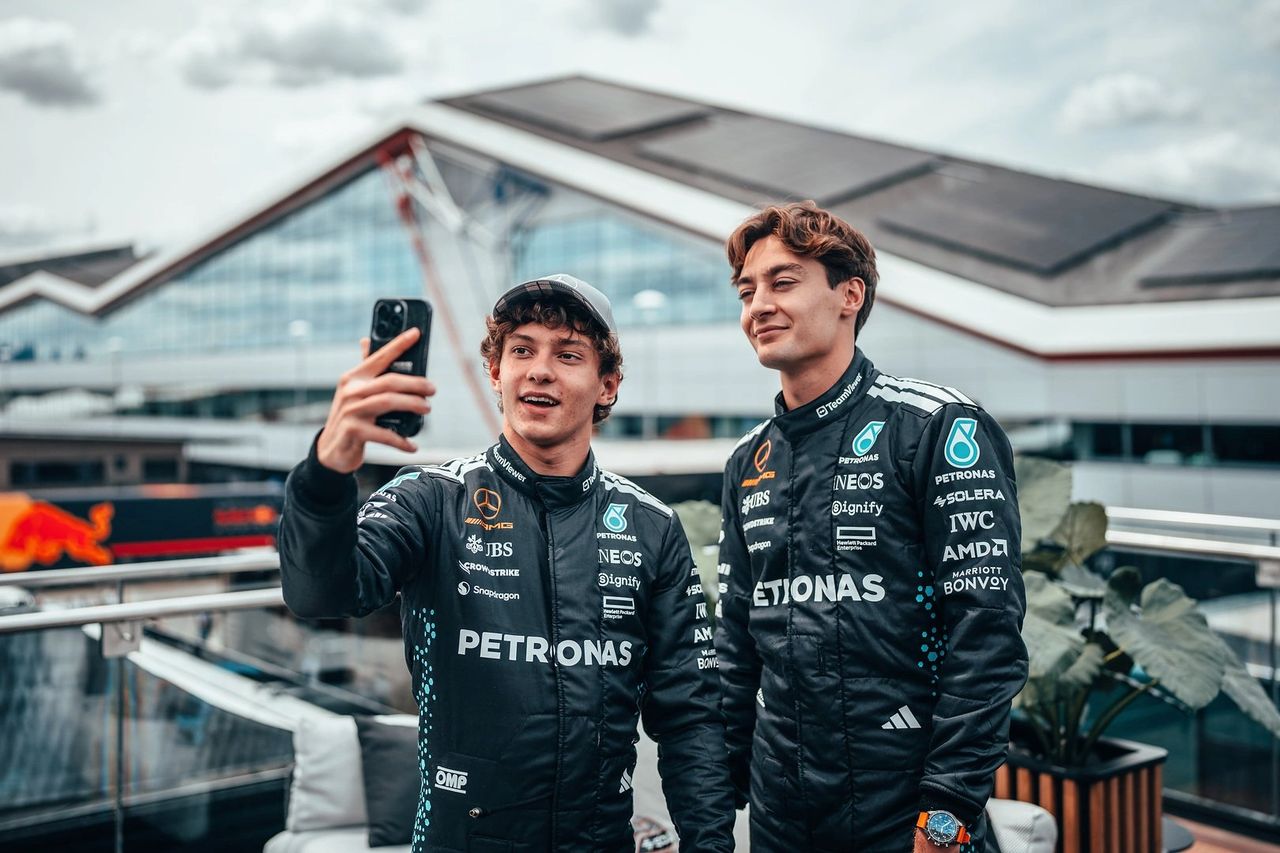
I said it back in September. Russell and Antonelli were left paying the price for Toto Wolff’s Max obsession. That has not changed. The Verstappen chase burned political capital, left Russell questioning his value, and shoved Antonelli into the deep end without the buffer he probably needed. It was a gamble that looked bold on paper and messy in reality.
On track, Russell’s stock has not dropped. He has scored podiums in a car that flatters no one and punishes every small mistake. He has absorbed the leadership load after Hamilton’s exit, fronted the media on hard weekends, and kept the garage steady when the results were not coming.
The Baku race last weekend was the clearest proof. Racing under illness, with doubts over whether he would even start, he still dragged the car to P2. It showed grit and determination. It showed the kind of resilience teams say they value when contracts are at stake. It should have moved the needle.
And still, no deal. No public commitment. No long-term security. Just a quiet, lingering hold.
Wolff wants options. He wants to keep the board free in case something changes with the regulations or the market opens up again. Russell wants a reward. After years as second fiddle to Hamilton and now carrying the leadership himself, he feels he is owed more than another provisional year. He wants the acknowledgement and the salary that comes with being the guy.
Money matters here. Russell is not on the financial level of Norris or Piastri. This window might be his only real chance to close that gap. The failed Verstappen pursuit gives him leverage. Wolff played his hand publicly and came up short. Russell knows it. He wants to squeeze every drop of value from that failure, because Mercedes do not have many alternatives that look better than the driver already in the car.
The irony is that both Russell and Antonelli are tied to Mercedes contracts already. Wolff owns the rights, and Mercedes manage the deals of all their junior drivers for a set period of time. Both Russell and Antonelli still fall under that structure. Which means they cannot just walk away, even if rival teams show interest or social media decides to throw them at another seat for the weekend.
In theory, that gives Mercedes security. In practice, it is the reason both men feel stuck. Russell wants a proper multi-year and a pay rise to reflect his status. Antonelli just wants patience and a clear runway to grow. Instead, Wolff’s fixation on keeping options open has left them waiting, frustrated, and a team that looks uncertain about its own future.
For Antonelli it is different. He is not fighting for money. He is not playing politics. He just wants security and a plan. His rookie year has been a rollercoaster. Flashes of raw speed. Errors you would expect from a teenager learning the car and the calendar. Many of them magnified by how Mercedes have handled him in public.
Launching a Netflix documentary before his first season was even complete, largely to appease WhatsApp as a sponsor, felt too soon for someone yet to really achieve anything in Formula 1. It made him a headline before he had the laps banked to carry it. Then came Imola, his first home Grand Prix. Instead of letting him settle, Mercedes piled on the media load. A kid barely out of F2 dragged under the heaviest spotlight. It was pressure he did not need and noise the team could have controlled.
Antonelli needs patience, not pressure. He needs a clear plan that says, “You are our guy through 2026, learn without fear.” Instead, like Russell, he is stuck waiting while the team tries to keep a door open that probably is not there anymore. Mercedes wanted Verstappen and got neither him nor certainty. Now they risk losing trust from both of the drivers they already have.
And the ripple effect does not stop there. Engine politics and partnerships shape the rest of the market.
Alpine: Briatore’s call, but Wolff in the background
Alpine’s new Mercedes engine supply does not give Wolff a legal right to pick their drivers. But in Formula 1, supply lines and influence blur. Relationships matter. Timelines matter. Who calls whom on a Tuesday night matters.
History proves it. Esteban Ocon lost his Force India seat in 2018 when the Stroll takeover reshaped the grid. He spent 2019 as Mercedes’ reserve, before re-emerging with Renault in 2020, which later became Alpine. The link to Wolff never went away. The phone still worked. Doors still opened.
Valtteri Bottas is another case study. His jump from Williams to Mercedes in 2017 was shaped by Wolff’s alignment, his management role, and the ties that link teams together behind the scenes. In the driver market, these relationships interlock sooner or later. Nothing happens in isolation for long.
That is why the new Alpine tie-up matters. On paper, it is just an engine deal. In practice, it creates space for Wolff to lean. It also blocks certain optics. Russell to Alpine would once have looked logical as an escape route. Now it would look like a split with the works team and a strain on a brand-new partnership. Nobody wants that in year one of a supply agreement.
There is another twist. Wolff’s very public friendship with Flavio Briatore. Briatore calls the shots at Alpine now. His word carries weight in Enstone and at the board. Toto’s voice will not be far away in the conversations. That does not mean Alpine become a Mercedes B-team. It means advice travels faster. It means a suggestion can land like an instruction even when it is not one.
This is how Formula 1 really works. Officially, seats are decided on merit. Publicly, teams deny outside pressure. But growing influence always carries weight, even if it is not written into contracts. And with Alpine still unsettled, politics could matter as much as performance.
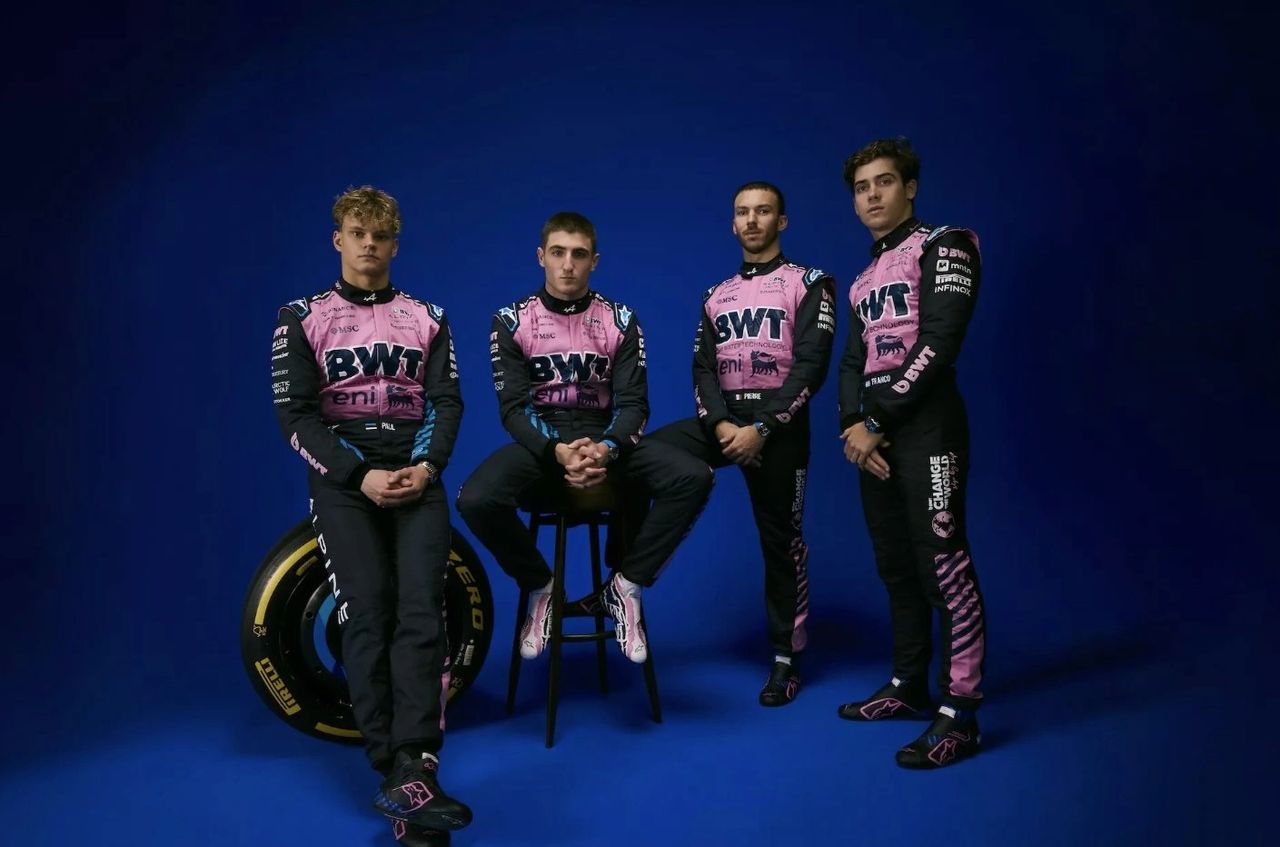
Which leaves Alpine still weighing their own shortlist. Pierre Gasly is nailed in with his new deal. The second seat is down to Franco Colapinto or Paul Aron. Two juniors. Two different profiles. Two different risk levels.
Colapinto brings more than just driving talent. He comes with a commercial package, a passionate South American following, and he has begun to show clear improvements when racing on circuits he already knows. He is already in the car, with race mileage under his belt, which counts for a lot in the age of tyre-sensitive Sundays.
Aron, by contrast, is the gamble. He is embedded as reserve, with strong testing data and good simulator feedback, but he is unproven on race day. Briatore likes him and he has fans inside the garage, yet picking him is a leap of faith in a way Colapinto no longer is.
Then there is Yuki Tsunoda. His Honda backing is gone, but his reputation inside the paddock is stronger than people give credit for. He has matured in traffic and on the radio. He still brings speed on Saturdays and a decent conversion rate on Sundays. Briatore does not seem keen, but as long as Alpine delay their call, his name will stay in circulation. And there is a bonus factor. Tsunoda and Gasly know each other well. Their AlphaTauri partnership was a proven one, a pairing that worked in practice and on paper, with clean working chemistry in briefings and a clear split of set-up paths.
Felipe Drugovich moving to Formula E with Andretti leaves Aston Martin’s Honda reserve slot open for 2026. That could hand Tsunoda another option. If he takes it, Honda keep their man in the paddock and Red Bull quietly find their way out of a dilemma. For Alpine, it means Yuki remains on the board but perhaps less likely as a long-term bet.
If Briatore decides rookies are not the answer, experience could tip the scales. And Tsunoda, especially if he arrives with a commercial package, is far from the most unlikely option. In F1, those deals are never out of the ordinary.
Red Bull: Hadjar ready, but the politics are chaos
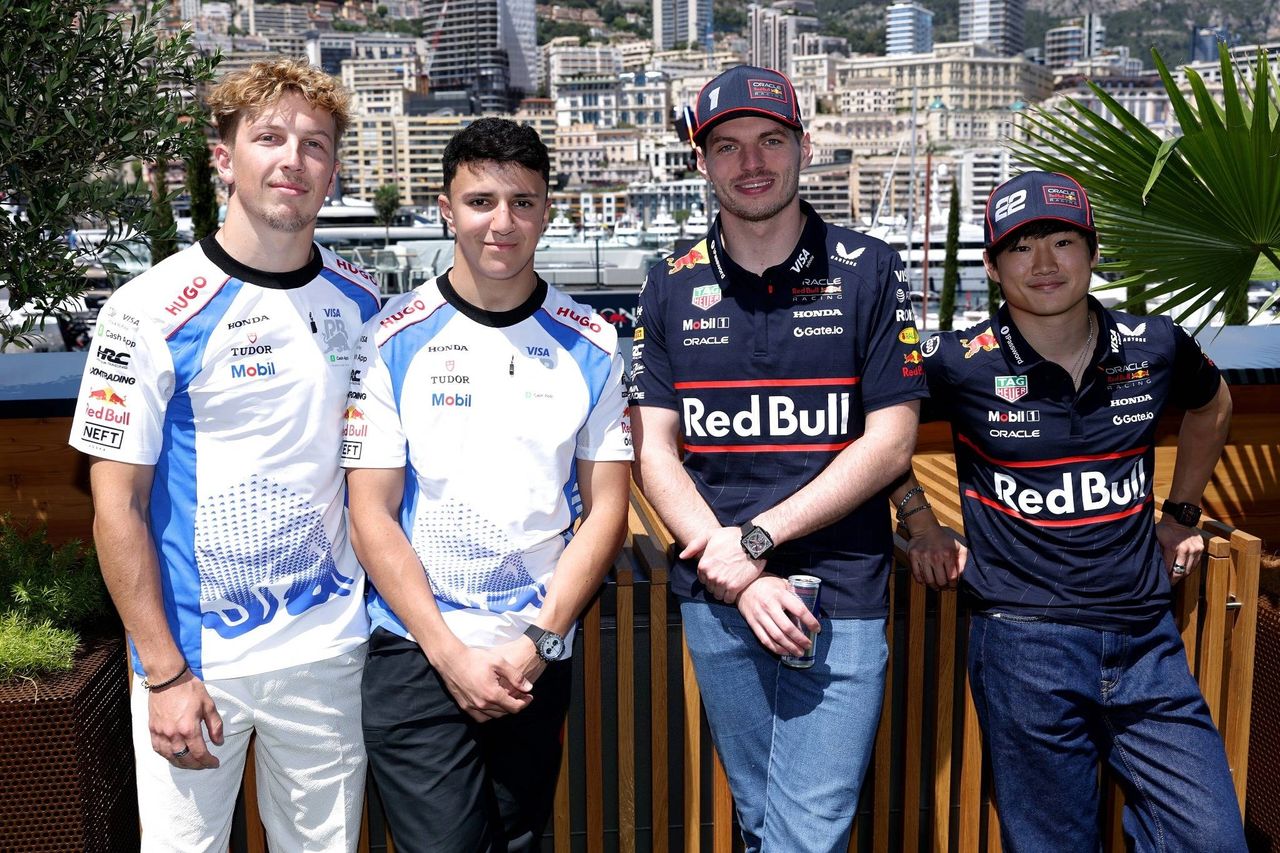
Max Verstappen is the one certainty. Signed until 2028. Untouchable on pure pace. The rest is moving ground.
Isack Hadjar has momentum. His results speak loud enough, his composure has grown, and the system looks designed to funnel him straight into the senior team. He ticks the boxes Red Bull usually care about. Speed. Aggression. A junior record that trends up, not down.
Racing Bulls are tipped to go with Liam Lawson and Arvid Lindblad. That pairing would still be a statement of faith in the academy, but not an all-in youth roll. Lawson has banked Formula 1 experience. He was thrown in at short notice and delivered points. He is improving as the season progresses and he understands the Ford transition politics. Lindblad would be the fresh rookie. The gamble. Together they offer a balance. One proven, one potential. And with Ford coming in, the line-up has no Honda ties to complicate the future.
But politics never stay simple. Laurent Mekies holds a senior role now. Everyone knows he is close to Tsunoda. That part is clear. What is not clear is how much power he actually has. We have not seen it tested inside the new structure. Is he just another Austrian board man, nodding along with decisions made elsewhere? Or can he actually move the driver debate when it matters on the Monday call?
Ford’s arrival only muddies the water. CEO Jim Farley is invested, the brand wants visibility, and the marketing team likes the idea of a Kiwi in Lawson. A New Zealand driver carries real commercial value in key markets. There is also a sense that Lawson was not given a fair chance the first time. Just two races in the main team before being shuffled back. His re-emergence is not an accident. It is a sign that other voices are being heard.
Then there is Oliver Mintzlaff, now fully in control after the Horner power struggle. Austria want their stamp on the future. Peter Bayer has a say on structure. Helmut Marko is still in the mix and he has always been a blunt voice for the drivers. That is a lot of hands pulling in different directions for three seats split across two teams.
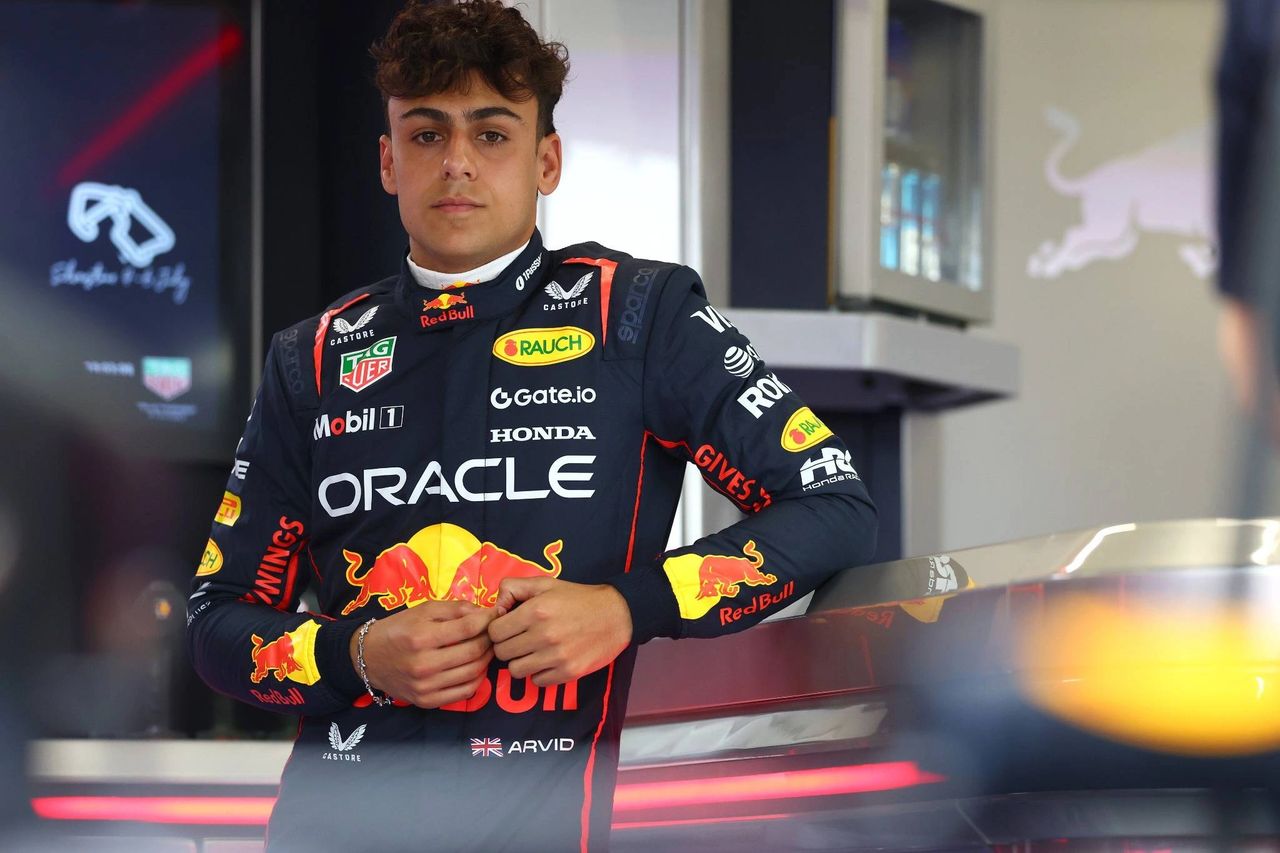
Fans look at Lindblad and see a risk. Hugely talented. Light on experience. Iwasa is another option, but he has not put down a marker that forces the conversation. Which is why the Tsunoda question keeps coming back. If Yuki stays in the Red Bull family, it is because Mekies has pushed it through the noise. If he goes, it is because the Ford-Austria axis wants clean air for Hadjar, Lawson, and maybe Lindblad in the junior team.
And hanging over all of it, the Verstappen factor. Max is signed until 2028, but he has always said he will reassess depending on the car. He wants a package that wins. His manager has made it clear. Give him a car that can win, or they will look at options. And in Verstappen’s case, there are always plenty.
Who sits alongside him is not just a team-mate choice. It is a political statement about who holds power inside the Red Bull empire. Two teams. Too many drivers. Too many agendas. No clean line through the chaos.
The final dominoes
The rest of the grid is basically locked. The big calls have been made. The paperwork is done at most factories. The press releases are ready to go.
2026 now hangs on three calls.
- Will Mercedes commit to Russell and Antonelli properly?
- Will Alpine back Colapinto, Aron, or take a punt on an experienced outsider?
- Will Red Bull stick to the academy script, or does Mekies force a change?
When those questions are answered, the market is done. And then the real fight starts. Who wins when the new regulations land. Who adapts first. Who holds their nerve when the car is still green on lap one.
Confirmed 2026 seats so far
- Ferrari: Lewis Hamilton, Charles Leclerc
- McLaren: Lando Norris, Oscar Piastri
- Mercedes: TBC, TBC
- Red Bull: Max Verstappen, TBC
- Racing Bulls: TBC, TBC
- Aston Martin: Fernando Alonso, Lance Stroll
- Alpine: Pierre Gasly, TBC
- Audi: Nico Hülkenberg, Gabriel Bortoleto
- Cadillac: Sergio Perez, Valtteri Bottas
- Williams: Alex Albon, Carlos Sainz
- Haas: Oliver Bearman, Esteban Ocon
Key points
- Mercedes still to confirm Russell and Antonelli after Verstappen chase failed.
- Both remain tied to Mercedes contracts, limiting outside options.
- Alpine’s second seat between Colapinto and Aron, with Wolff influence after new Mercedes engine supply deal.
- Tsunoda-Gasly partnership proven and could tempt Alpine if Briatore wants experience with commercial backing.
- Red Bull likely to promote Hadjar, with Lawson and Lindblad tipped for Racing Bulls. Lawson’s growing experience strengthens his case.
- Ford, Mekies, Austria and Marko all pulling in different directions.
- Verstappen’s manager clear. Give him a car that wins, or he looks at options.
Want more Formula 1 coverage?
Dive into race reports, driver market news, and technical analysis in the Coffee Corner Motorsport F1 Hub.
Share the story. Grow the community.