


Mercedes believe they’ve finally got to the bottom of the instability issues that have plagued their season and the answer was going backwards.
After a run of underwhelming races, the team ditched a rear suspension upgrade introduced around Imola and reverted to an older specification. The result was a much more stable platform at the Hungarian Grand Prix, where George Russell claimed third and Kimi Antonelli picked up his first points since Canada.
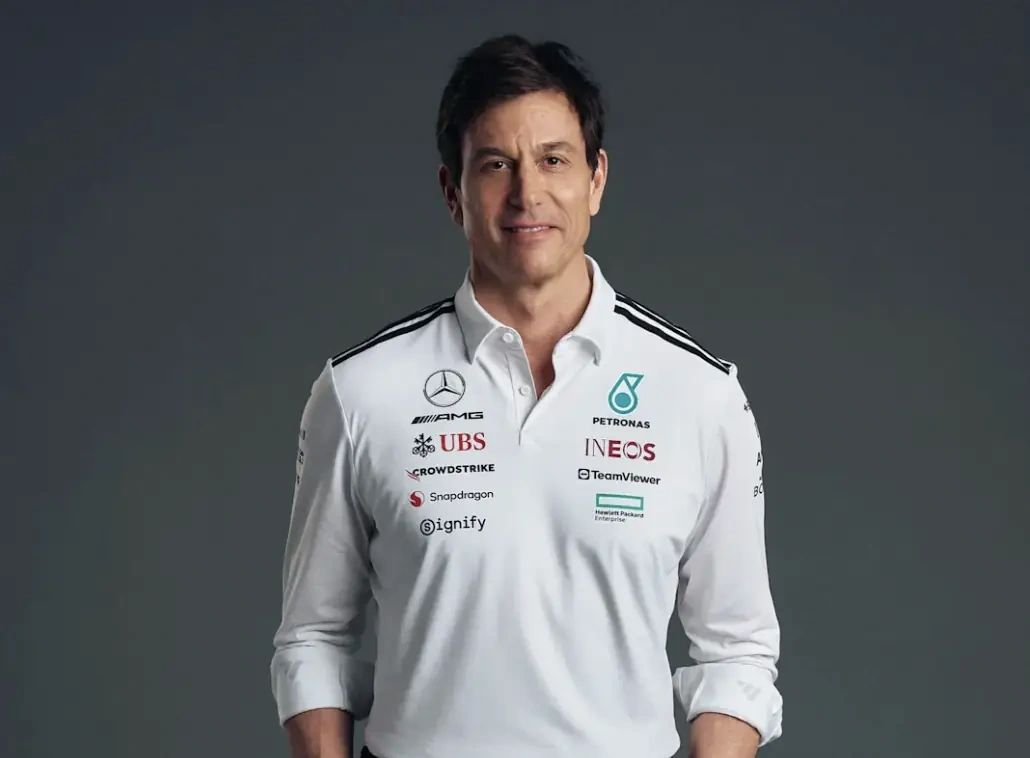
“We tried to fix one problem, but ended up creating another,” explained team boss Toto Wolff. “That change didn’t help and instead, it let something new creep into the car.”
Russell’s move on polesitter Charles Leclerc in the closing laps secured his sixth podium of the year. He also came within half a tenth of pole in qualifying. For Antonelli, a clean run to P10 was a small but important breakthrough after several difficult weekends.
Wrong Turn at Imola
The suspension change made earlier in the season was meant to improve mechanical grip over kerbs and bumps. Instead, it made the car more nervous through corner entry and braking zones. Drivers lost confidence. Performance dropped off.
Wolff confirmed they’ve now written off the upgrade completely.
“That rear-axle? It’s headed for the bin,” he said. “We put a lot of time into it, but it ended up doing the opposite of what we needed.”
The Canadian Grand Prix win, where Russell led home a strong result, had temporarily masked the problem. But Wolff now admits it gave the team false hope.
“Montreal caught us out. It gave the impression that things were better than they were,” he said. “Eventually we realised the only way forward was to take it off. Since then, the car feels solid again.”
Not Their First Miss
It’s not the first time Mercedes have run into trouble with development correlation under the current rules. Since 2022, the team has struggled to match simulation data with on-track behaviour, especially when chasing gains through mechanical and aerodynamic changes.
The zero-pod concept was the most obvious example. It looked good in the wind tunnel, but on track it triggered violent porpoising and inconsistent balance. Mercedes kept it into 2023, only to scrap it mid-season once it became clear it had been misleading their understanding of the car’s limits.
“We rely on simulations, models, all the data, but sometimes, the car just behaves differently in real life,” Wolff said. “That’s what happened here. It didn’t show up in the simulator, but once we raced with it, we saw the instability.”
The team now admits it took multiple race weekends to isolate the cause. A few high points, like Canada, delayed the decision to remove the upgrade, but the Hungary weekend proved the older spec still works.
Back to Basics
By returning to a known baseline, Mercedes gave both drivers a more predictable platform, and it showed. The car was more stable, particularly through medium-speed corners where they’ve struggled most this season.
Hungary wasn’t a dominant display, but it was a sign of control. Russell looked hooked up all weekend. Antonelli kept it clean and brought home points. Most importantly, the team feels like they understand the car again.
With Zandvoort up next, Wolff says the goal now is to stop overreaching and focus on steady progress.
“It’s about building trust in the car and making decisions that are based on real feedback, not just numbers,” he said. “We’ll keep pushing, but we’re doing it with more caution now.”