


Formula E has confirmed its long-term future at the top of electric motorsport, signing a 10-year extension with the FIA that secures the all-electric world championship through at least 2038.
The deal gives the series a rare long-term foundation, allowing Formula E to build global partnerships, expand its technical programme, and continue shaping the electric mobility conversation through racing.
It also marks a clear commitment from the FIA. The governing body is doubling down on Formula E as a platform for sustainable innovation, relevant road technology, and accessible, competitive motorsport.
A Championship That’s Grown with Purpose
Since launching in 2014, Formula E has developed into a fully-fledged FIA World Championship with 11 teams, 22 drivers, and city centre races in locations like Monaco, Tokyo, London, Miami and Shanghai. The series has recorded average annual growth of 20 percent since inception and now reaches more than 400 million fans worldwide. Television audiences sit just below the 500 million mark.
The grid is backed by some of the biggest names in the automotive world. Porsche, Jaguar, Nissan, Stellantis, Mahindra, Maserati and Lola-Yamaha all compete in the series, using it as a high-performance test bed for electric innovation.
With this long-term agreement in place, Formula E is positioned to keep expanding commercially while building its audience and manufacturer roster.
GEN3 Evo and a Clear Development Roadmap
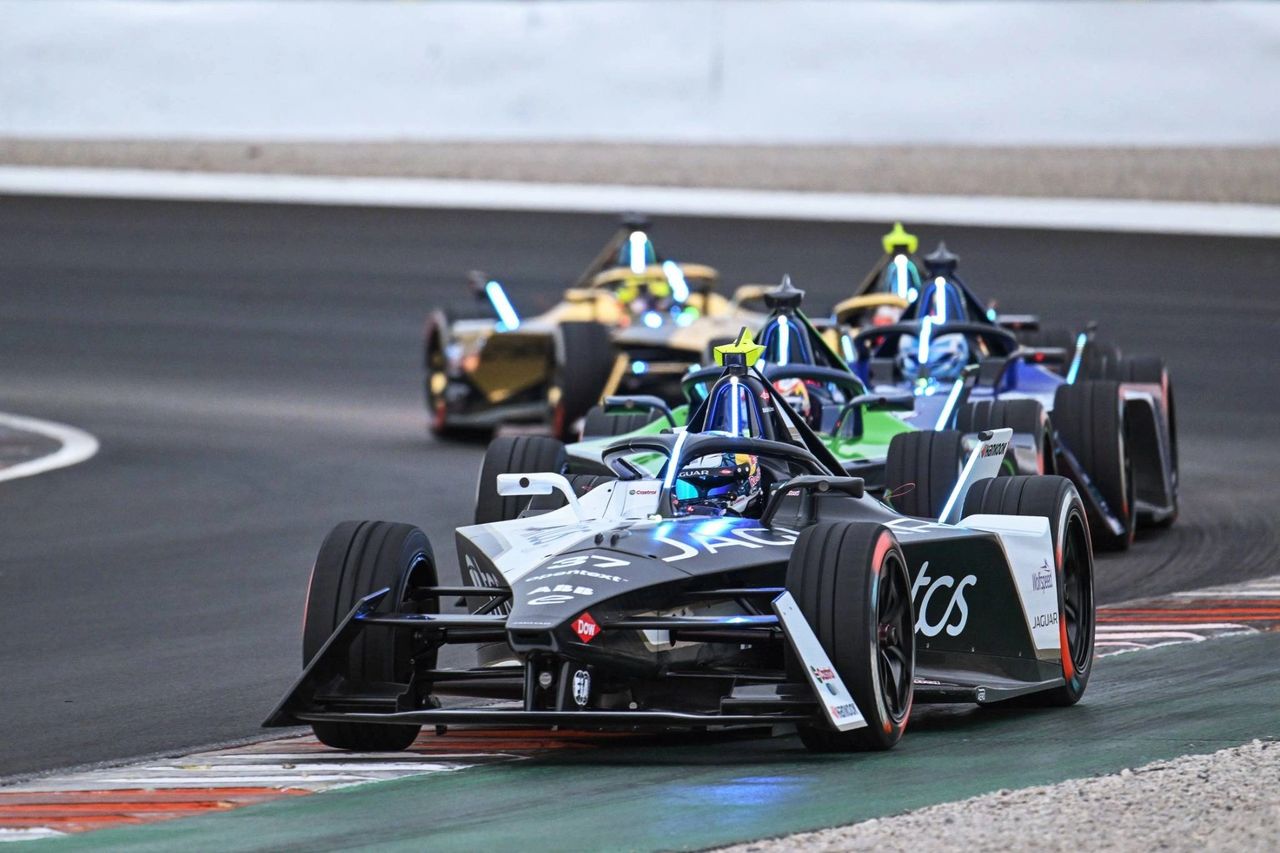
Formula E’s current GEN3 Evo race car is a step-change in electric performance. It goes from zero to 60 mph in just 1.82 seconds, which is faster than a current Formula 1 car, and reaches speeds of 200 mph. During a race, nearly 50 percent of the energy used is regenerated through braking.
The car is also built around sustainable design. Tyres are made with over 35 percent recycled materials, while the bodywork features reused carbon fibre and natural fibres for improved environmental impact.
The FIA and Formula E are already planning the next evolution. Future development will focus on better energy efficiency, faster lap times, improved grip, and even greater aerodynamic performance. The long-term structure of the new deal allows these changes to be introduced in a phased, strategic way, ensuring the series stays competitive and technically relevant through to 2038.
Strong Institutional Backing
FIA President Mohammed Ben Sulayem said the deal reflects the federation’s broader commitment to long-term stability, innovation and growth across all motorsport categories.
“This milestone reaffirms our commitment to sustainability and technological progress,” he said. “It also aligns with our wider goal of making motorsport more globally accessible.”
FIA Chief Commercial Officer Craig Edmondson added that Formula E “has not only demonstrated impressive growth, but has also led the way on sustainable innovation in our industry.”
Mike Fries, CEO of Liberty Global, which owns a majority stake in Formula E Holdings, described the agreement as a major endorsement of what the series has built.
“We’ve believed in Formula E since day one,” Fries said. “With the FIA’s continued backing, we can now scale the sport, grow its fanbase, and push the boundaries of what electric racing can achieve.”
A Broader Mission with Global Impact
Formula E’s relevance goes well beyond the racetrack. Global electric vehicle sales are expected to exceed 40 percent of total car sales by 2030. Lithium-ion battery production is projected to triple. With sustainability and EV transition top of mind across the automotive sector, Formula E continues to position itself as both a showcase and a proving ground.
The series has ranked as the top global sport for ESG performance three years running. Its Better Future Fund invests in local impact projects in host cities, while race freight and logistics emissions have been cut year-on-year through smarter operations.
Formula E CEO Jeff Dodds said the long-term structure gives the championship the tools to deliver on both sporting and strategic goals.
“With hundreds of millions of fans and world-class teams and drivers on the grid, this agreement gives us the time and clarity to keep building something truly world-class,” Dodds said. “This is a transformational moment for Formula E.”