


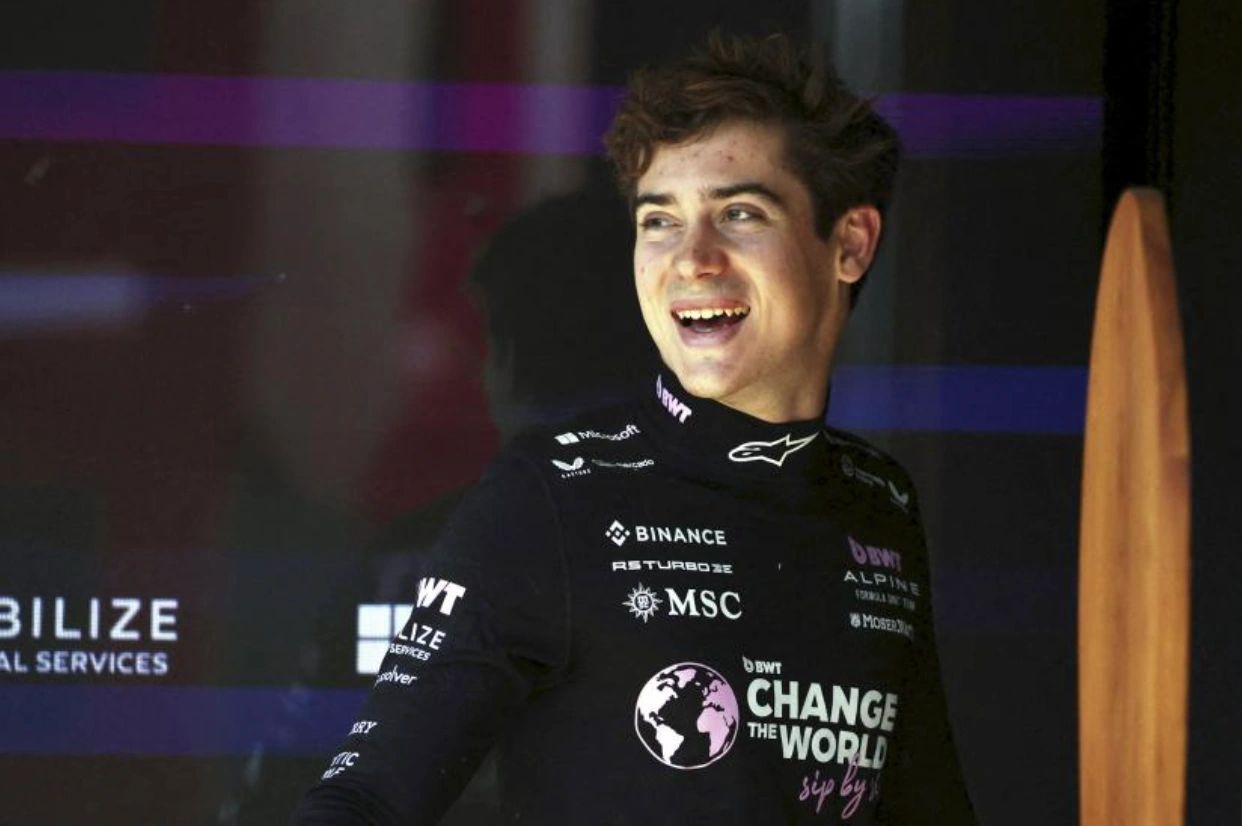
Imola gave Franco Colapinto his first real taste of a Formula 1 weekend with Alpine — the buzz of the paddock, the weight of the Alpine suit, and the pressure of expectation. But it also handed him something no driver should have to navigate: a social media storm laced with hostility, born not from his performance, but from the “fans” who follow him.
It began during FP1. Colapinto, fresh into Alpine’s F1 programme, found himself in Yuki Tsunoda’s path during a flying lap at the Villeneuve chicane. Tsunoda gestured in frustration — as drivers often do when rhythm is interrupted. That should’ve been the end of it.
But it wasn’t.
Soon after, Tsunoda was targeted online with an influx of abuse, much of it in Spanish, including racial slurs and personal attacks. It was a staggering overreaction, and one that had nothing to do with racing. A minor practice incident had somehow triggered the worst tendencies of tribal fandom.
What came next, though, mattered. Colapinto, just 21 and in his debut weekend, took the heat off his teammate, his team, and most importantly — off himself. He addressed the issue head-on:
“They have to give respect. That’s what we all want.”
There was no PR polish, no scripted apology for optics. Just a clear message: this isn’t what motorsport should be.
Tsunoda, who has spoken in the past about the pressures of public scrutiny, handled the situation with calm resolve. “I know they are supporting their own country’s driver,” he said, “but there’s always a line.” The comments echo what many drivers have quietly felt for years — that support, when twisted into something blindly nationalistic, can become corrosive.
Colapinto wasn’t penalised for the on-track moment, and Tsunoda wasn’t hurt by it. But the fallout pointed to a broader issue that Formula 1, like many global sports, continues to grapple with: where do we draw the line between passion and poison?
To his credit, Colapinto didn’t wait for someone else to speak up. In his first F1 weekend with the French team — a time most drivers would focus solely on performance — he chose to talk about something bigger than a stopwatch. That matters.
This wasn’t a story of rivalry. It wasn’t even a story about racing, really. It was about how two young drivers were forced to confront a problem they didn’t create.
It’s easy to get lost in the noise of a race weekend. But sometimes the clearest message doesn’t come from a pole lap or a podium finish — it comes from a quiet call for decency and respect.