


General Motors’ Cadillac F1 program, led by Graeme Lowdon, is building across Silverstone, Charlotte, and Indiana ahead of its 2026 Formula One debut. At Monza, the team staged a full shadow race weekend, running strategy drills, reliability checks, and media simulations without ever turning a lap.
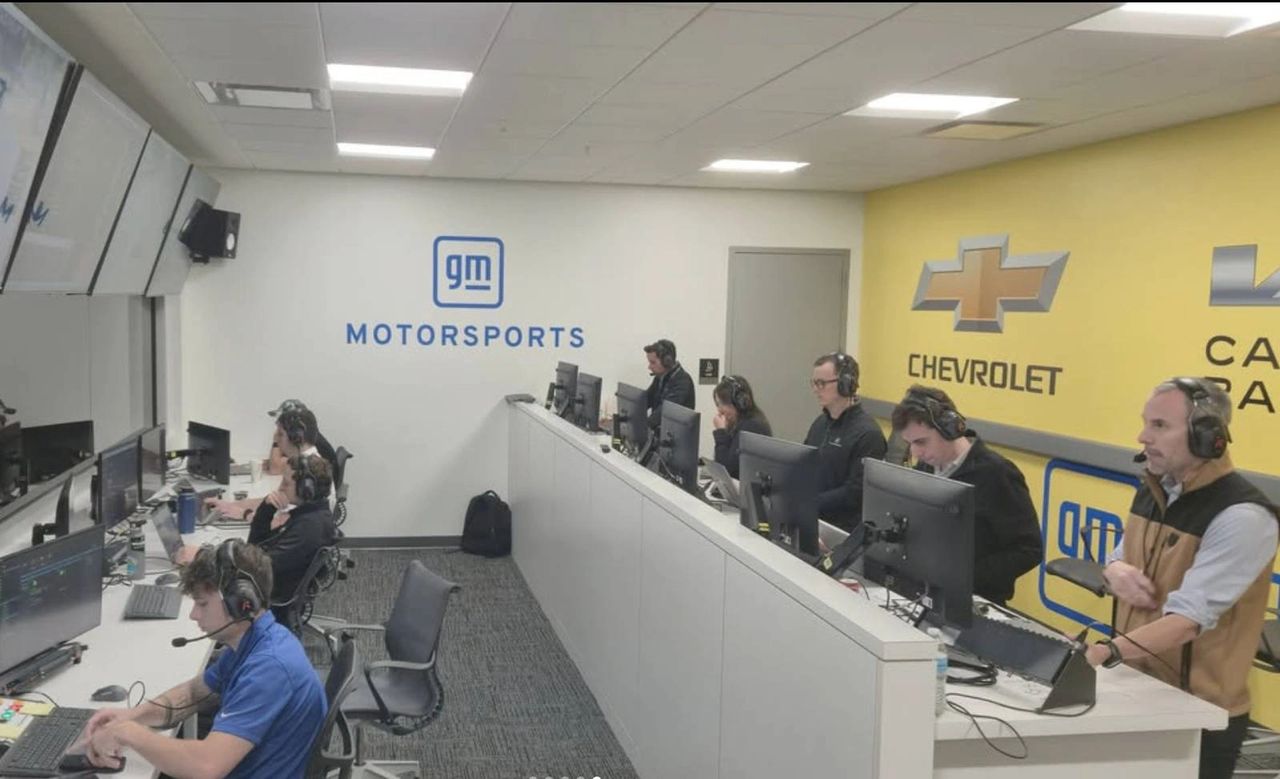
Cadillac just staged a Grand Prix at Monza. Only this one never touched the track.
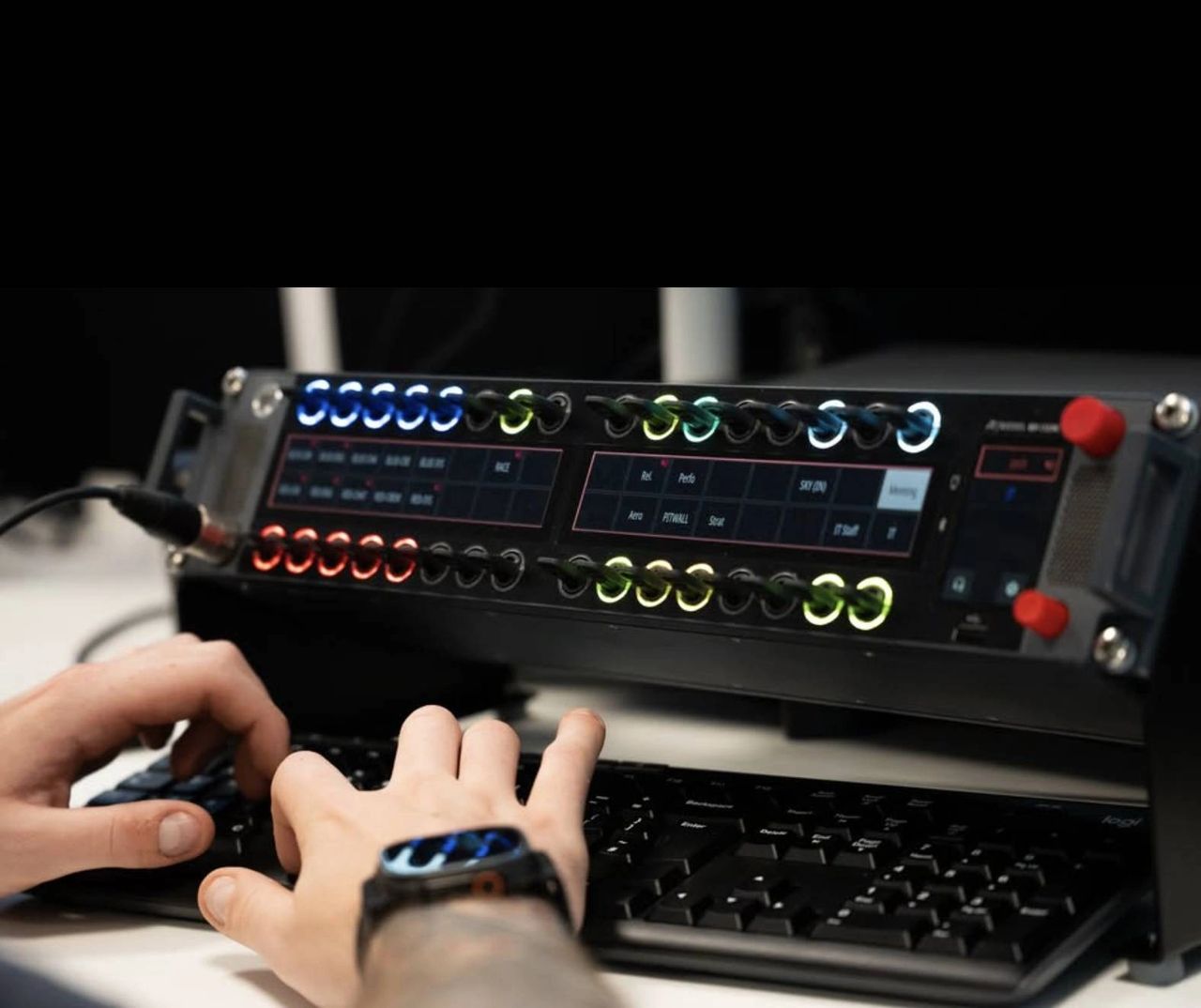
From Silverstone and Charlotte, a 50-person Cadillac F1 operations crew ran the Italian GP like it was live. A digital car updated after every session. Engineers ran debriefs. Strategy crews drilled tyre wear, pit windows, undercut and overcut calls, VSC and SC deltas, and sudden rain. Reliability checks went through the motions as if a gearbox had been rolled into the garage. Even sponsor calls and media duties were included.
It was the rhythm of a race weekend. Played out in the shadows.
Valtteri Bottas was tied up on Mercedes reserve duty. Sergio Pérez wasn’t part of the rehearsal either. Their absence underlined the point: this was about the system, not the drivers.
Why NASA?
Graeme Lowdon calls Formula 1 the ultimate team game. Not one star. Hundreds of people aimed at the same goal.
On the High Performance Podcast in July, he put it clearly: “You have to build a superteam. A diverse group with one purpose.”
That’s why he leans on NASA. Apollo didn’t happen by luck. It worked because of immovable deadlines, clear roles, and absolute standards. No task too small. No detail overlooked. Communication had to flow across continents with zero friction. And when something failed, the system learned and improved.
Lowdon’s philosophy is simple. Build the system before the car.
Barcelona came first
Monza was big, but it wasn’t the beginning. Reports say Cadillac had already trialled the idea during the Spanish GP earlier this year. Smaller crew. Less detail. But the same plan.
Monza ramped it up. More people. More moving parts. More of the weekend replicated down to the sponsor briefings. Each rehearsal builds layers. Every run adds data into predictive software designed to sharpen race strategies long before the first real lap.
Lowdon summed it up on the podcast: “You build without certainty. You make the hires. You align the people. You prepare before the results exist.”
Building at scale
The Monza rehearsal involved fifty people. But the wider project already counts in the hundreds.
By July, Cadillac had around 400 staff spread across six buildings at Silverstone. That already puts them ahead of Haas, and the plan is to reach 600–650 by the time the lights go out in 2026.
They’re not just filling seats. They’re training the system. Teaching new hires the cadence of an F1 weekend before the car even exists. For a new team, that’s priceless.
Lowdon has pulled in experience. Rob White as COO. Nick Chester as Technical Director. Jon Tomlinson heading aerodynamics. Pete Crolla as Race Team Manager. Pat Symonds advising. It’s not a rookie setup. It’s a roster of people who’ve lived this sport before.
The Silverstone base is critical. It plants Cadillac right in the middle of Motorsport Valley, where the people who’ve done this before already work. Six buildings now, soon to consolidate into four with long-term leases. Right across Dadford Road from Silverstone Circuit, with Aston Martin’s F1 campus just a short walk away.
Charlotte and Indiana add scale. Together the hubs create a three-continent operation.
The Fishers, Indiana HQ is under construction and due early-to-mid 2026. That’s where Cadillac says its U.S. identity will become real, backed by further recruitment of American staff once the doors open. GM’s Charlotte Technical Center is already contributing to subsystems.
Because they won’t win with a team that’s brand new to F1. They need experience. They need mechanics and strategists who know the rhythm of a race weekend, who have lived through the chaos. That’s the only way a newcomer can survive the jump.
The Monza run showed the idea can work. Calls bounced across the Atlantic without lag. Debriefs flowed cleanly between teams. What looked like a risk on paper is already beginning to function in practice.
Technical progress
Behind the scenes, the build is further along than many realised. By spring 2025 Cadillac had already delivered a 2026-spec floor, brake assemblies, and a steering wheel prototype. A chassis was completed in April, with roll hoop and crash tests passed by June at Cranfield. Ten thousand parts are already built, though the final tally across two cars and spares will be closer to 80,000.
Wind tunnel testing began in Cologne back in late 2024. Because they weren’t an approved team yet, Cadillac had to build their own tyres for correlation work. It’s a small detail that underlines the scale of what they’re taking on.
Transport crates are already stickered and waiting. The first sea freight will leave for Melbourne in December. Garage panels and non-critical kit go first.
Timeline to first laps
The timeline is brutal.
- Barcelona, Jan 26–30, 2026: private. No media. Just Cadillac and their car for the first time.
- Bahrain, Feb 11–13, 2026: official, public. Stopwatch scrutiny begins.
- Bahrain, Feb 18–20, 2026: final tune-up before Melbourne.
The FIA’s official 2026 testing schedule confirms the dates. Barcelona is where mistakes will be made and buried. Bahrain is where every stopwatch in the paddock will start comparing. Four months. That’s all the runway left.
What it means
Lowdon knows what happens when you’re not ready. He’s been there before. On the podcast he spoke about resilience. About handling setbacks and keeping trust intact. “Because in this sport,” he said, “there are always moments when things go wrong.”
That’s what the shadow weekends are about. Training the system to take the hit and keep running.
Cadillac’s Monza run wasn’t about speed. It was about culture. Process. Standards.
Add in the scale at Silverstone, the coming U.S. HQ at Fishers, the prototypes already tested, and the freight already packed. It’s not a paper team anymore.
They don’t want to arrive in Australia as rookies, wide-eyed on their first weekend. They want to land like a group that has already lived the chaos ten times over.
It won’t guarantee lap time. But it will mean they won’t look lost.
And that, in Lowdon’s words and in NASA’s example, is the only way to give yourself a chance.
Want more Formula 1 coverage?
Dive into race reports, driver market news, and technical analysis in the Coffee Corner Motorsport F1 Hub.
Share the story. Grow the community.