


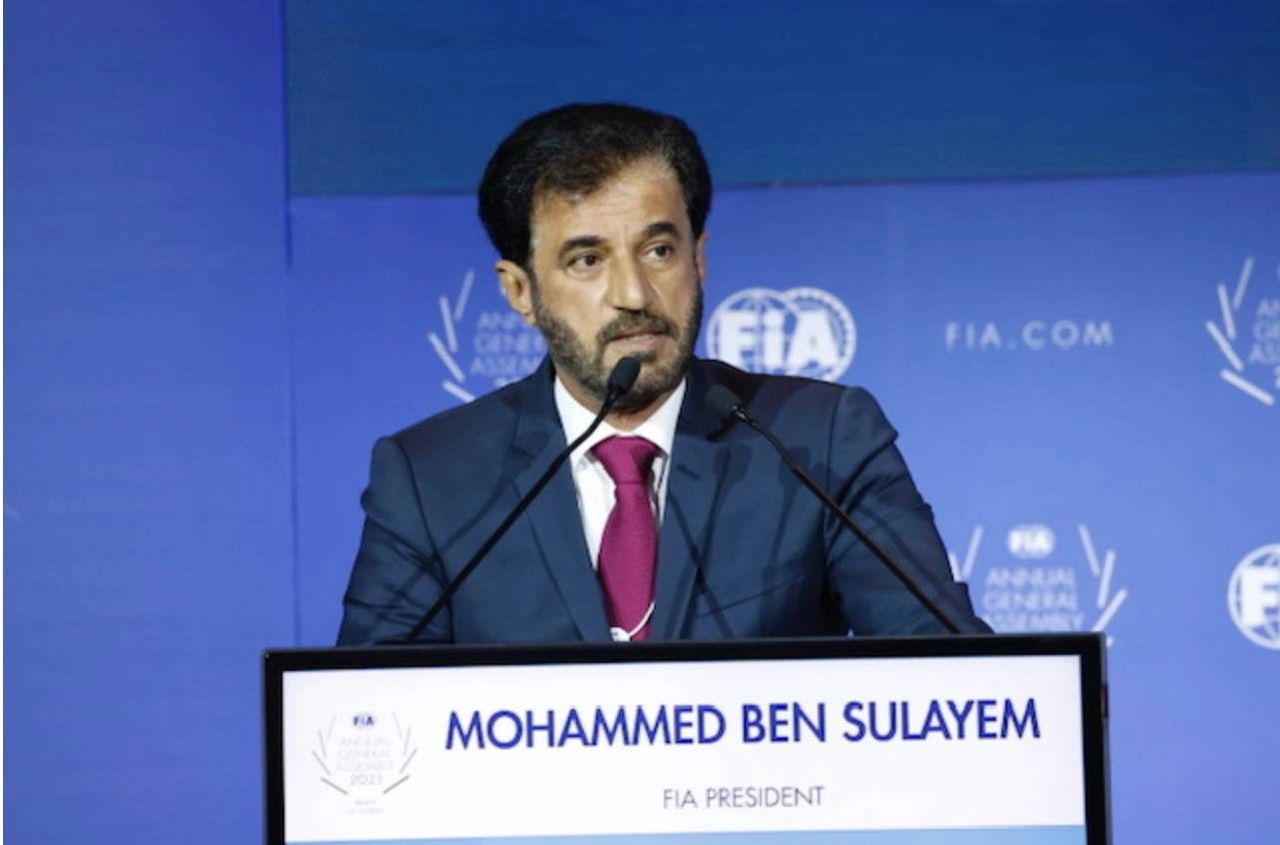
Mohammed Ben Sulayem has tightened his grip on the FIA. At this week’s General Assembly in Macau, a series of sweeping changes were voted through—reforms that reshape how candidates can stand for president, and how the FIA monitors itself.
On paper, the vote passed smoothly. Behind the scenes, it’s triggered a wave of concern about what this means for transparency, accountability, and the future of leadership inside motorsport’s top governing body.
A Rulebook That Now Favours the Incumbent
Under the new statutes, candidates must declare their intention to run earlier than before. There’s also a new “integrity review” that any challenger will need to pass before they’re officially allowed on the ballot. The language around it? Vague.
It doesn’t say who defines “integrity,” how the vetting is done, or what the threshold is. And that’s where the trouble starts. It creates a filter that can be interpreted—and potentially applied—however the current leadership sees fit.
On top of that, key FIA committees—like Audit and Ethics—will now have terms that match the presidency. In practice, that means the very people who are supposed to check the president’s power now serve on the same four-year clock.
Sainz Sr. Faces a Narrower Path
Carlos Sainz Sr., the double World Rally Champion and father of Williams F1 driver Carlos Sainz Jr., has been quietly considering a run. But these changes make it significantly harder.
With the timeline shortened and more scrutiny added, it’s not impossible—but it’s clearly less inviting for anyone trying to mount a serious campaign from outside the inner circle.
Discontent Beneath the Surface
At least one national club formally objected and requested the vote be delayed. That didn’t happen. Robert Reid, one of the FIA’s top officials, resigned in protest shortly after. Motorsport UK made their criticism public. And while other voices have stayed quiet, the message is clear: not everyone’s onboard with the direction this is heading.
This isn’t an isolated move. It follows earlier pushes to limit driver speech, restructure internal checks, and intervene in race control. One-off controversies can be explained away. But when you zoom out, the pattern becomes harder to ignore.
Legal Challenge Still Possible
Some member clubs are now said to be reviewing whether the vote was carried out according to FIA statutes. If they find irregularities, a legal challenge isn’t off the table. That’s not confirmed yet—but it’s a sign that this isn’t over.
Coffee Corner’s Take
Governance needs reform. That’s not the issue. But when changes make it harder to run, easier to block rivals, and weaker in oversight—what are we left with?
The FIA says it’s about stability and professionalism. But if the outcome is an election where no one can realistically challenge the incumbent, it starts to feel less like reform—and more like reinforcement.
And right now, it’s hard to look at this week’s vote and not see exactly that.