


It’s not often that a balance sheet changes the narrative, but this one might. In a Coffee Corner Motorsport exclusive I can report the FIA posted a €4.7 million operating surplus for the 2024 fiscal year, its first in five years and the most robust financial result the governing body has recorded in nearly a decade.
It marks a dramatic turnaround from the €24 million deficit reported in 2021 under former FIA President Jean Todt. But more importantly, it offers something the FIA has been sorely lacking in recent years: stability. After a period defined by internal friction, external scrutiny, and questions around direction, the numbers—at last—suggest something different: a Federation beginning to steady itself.
From Reform to Results
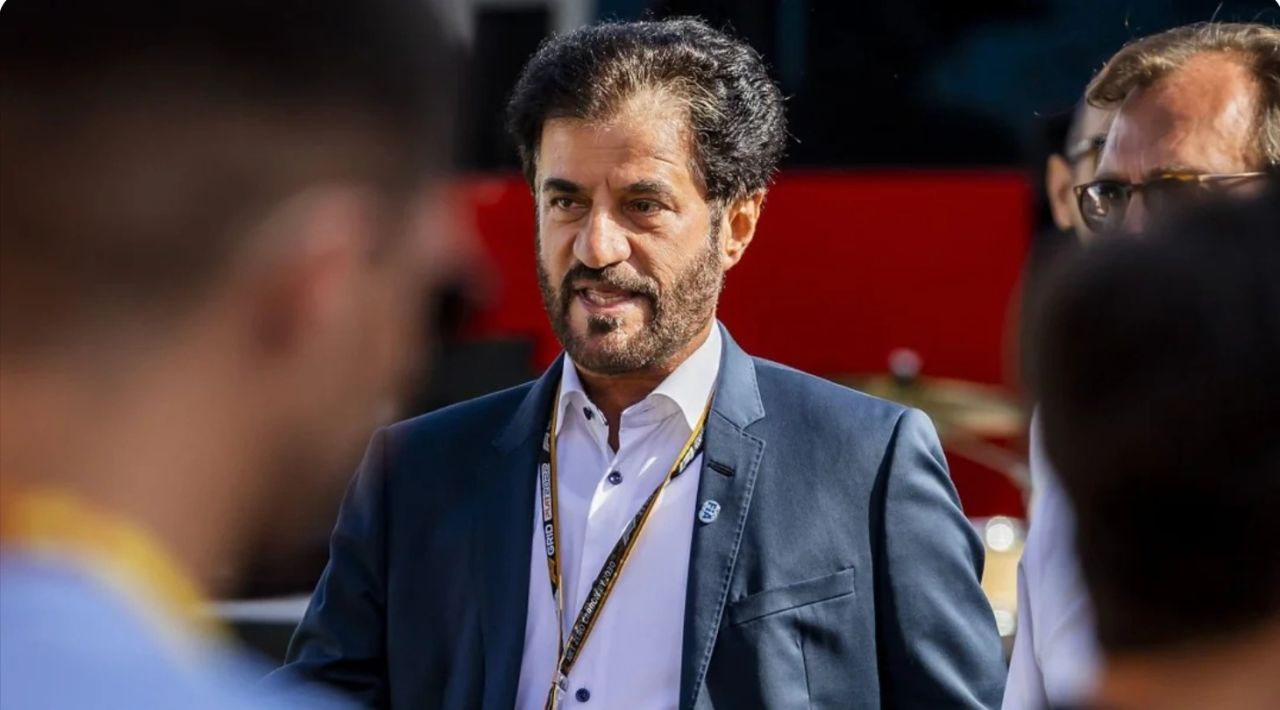
When Mohammed Ben Sulayem assumed the presidency in 2021, the challenges were immediate and far-reaching. He inherited an organisation in deficit, bogged down by legacy systems and increasingly at odds with parts of its ecosystem.
His tenure has not been without controversy. His leadership style has drawn criticism from some quarters, including concerns around governance transparency, strained relationships with Formula 1 leadership, and public disagreements over regulatory consistency. More than once, the FIA was the story rather than the steward.
But behind the headlines, a quieter transformation was taking place.
“Today, I am incredibly proud to show that we have returned to a profitable operation – as set out in my manifesto,” Ben Sulayem said. “We have delivered the strongest set of financial results in eight years and continue to improve the governance, transparency and financial health of the FIA.”
Since 2021, the FIA has been methodically restructured. Finance teams have been rebuilt, operational models have been streamlined, legacy inefficiencies have been eliminated, and a more sustainable, data-driven framework has taken hold. The €4.7 million surplus is a direct result of that strategic overhaul—not cost-cutting for its own sake but realignment with purpose.
Reinvesting, Rebuilding
The surplus, while symbolic, has real-world implications.
“Thanks to this progress,” the FIA said, “we are better positioned than ever to deliver against our core objectives: supporting development across all seven World Championships, driving grassroots engagement, and advancing sustainability — all while delivering value to our 245 Member Clubs.”
In practice, that means:
- Renewed investment in junior driver programmes and grassroots infrastructure
- Enhanced regulatory support across F1, WEC, Formula E, WRC, Rally-Raid, Karting, and the growing Electric GT series
- Expansion of the FIA Environmental Accreditation programme and sustainability initiatives in key disciplines
- Better resourcing for Member Clubs, particularly in underrepresented regions
It’s a shift from firefighting to future-building. And after years of questions about whether the FIA was fit to lead, the message now is that it’s at least fit to invest.
Still Under the Spotlight
Of course, financial health doesn’t dissolve institutional scrutiny. The FIA still faces tough questions about the consistency of its stewarding, the independence of its internal review processes, and its ability to remain impartial in the political minefield that is modern Formula 1.
Ben Sulayem’s administration has often struggled communicating its long-term strategy beyond internal documents and press releases. As Formula 1 grows more commercially complex, so do the expectations of its governing body to adapt without overstepping.
Yet this surplus — and the work behind it — may begin to restore confidence in a Federation that has too often seemed reactionary. With the full financial report due in June’s FIA Annual Activity Report, the focus shifted from recovery to resilience.
The real test isn’t returning to black; it’s staying there while delivering the reforms, transparency, and leadership that the motorsport world continues to demand.