


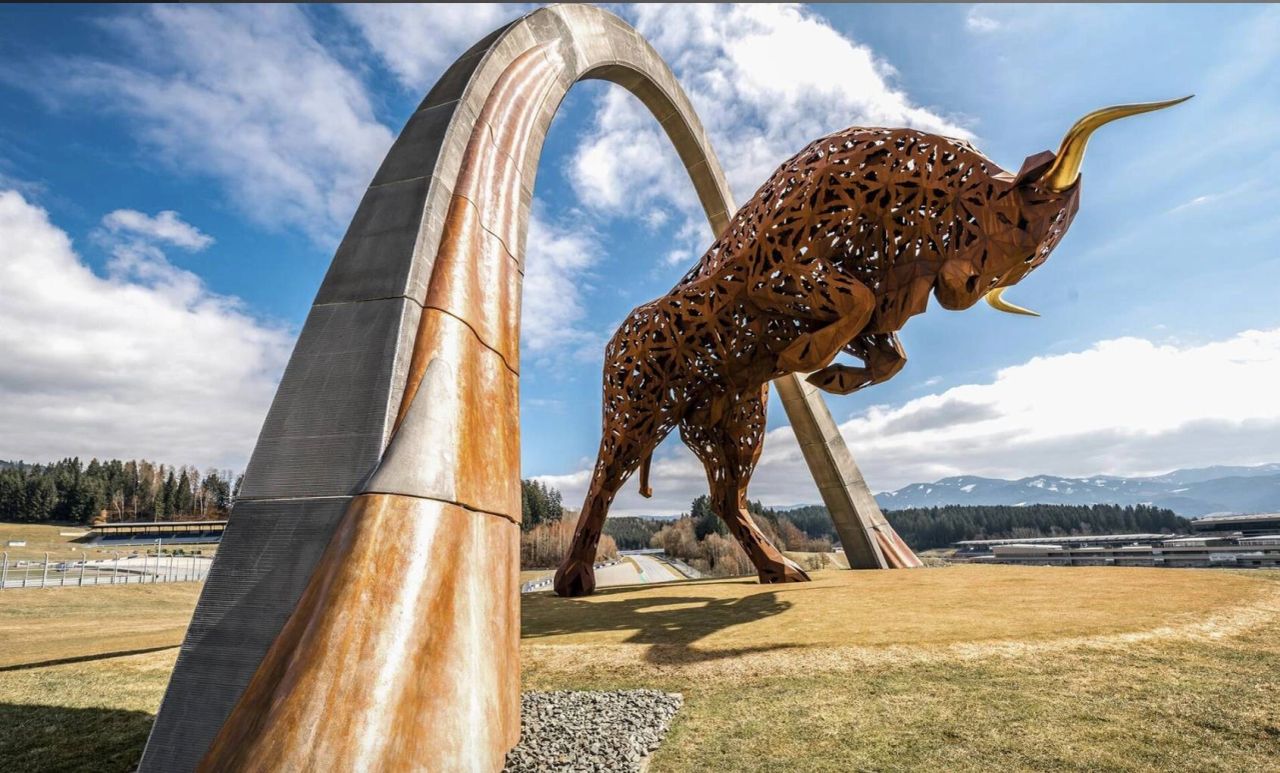
Austria is here to stay. Formula 1 has confirmed a long-term extension with Projekt Spielberg GmbH & Co KG that guarantees the Red Bull Ring will remain on the calendar until at least 2041.
It’s a rare moment of long-term clarity in a calendar that’s constantly evolving. With this deal, Austria joins Miami at the top of the list for the longest confirmed contracts in the sport.
The Austrian Grand Prix first featured in 1964 and has now been held 37 times across multiple generations. Its current home, originally opened in 1970, sits tucked in the Styrian hills and has become one of the most picturesque and distinct tracks on the grid. The 4.3-kilometre layout, known today as the Red Bull Ring, is compact but demanding – with steep climbs, fast straights, and tight braking zones that produce plenty of overtaking.
The race disappeared after 2003, but Red Bull founder Dietrich Mateschitz led a full-scale revival in 2010. His investment brought the venue back up to modern standards, paving the way for Formula 1’s return in 2014. Since then, Austria has become one of the calendar’s most consistent performers. It even hosted the opening rounds of the COVID-shortened 2020 season, giving F1 the restart it urgently needed.
A circuit with legacy – and staying power
Austria has always delivered a strong mix of history and racing. From Niki Lauda to Alain Prost, Michael Schumacher to Alan Jones, the list of winners reads like a hall of fame. Among today’s drivers, Max Verstappen stands alone with five wins at the circuit – the most in its history. He’s joined on the Spielberg honours list by Lewis Hamilton, Charles Leclerc, and George Russell.
Formula 1 CEO Stefano Domenicali praised the renewed deal, describing the event as one of the most meaningful on the calendar. He said Austria remains a highlight each season thanks to its scenic backdrop, passionate fans, and long-standing ties to the sport’s evolution. Domenicali also credited the late Dietrich Mateschitz’s investment as the key to the event’s successful return and long-term success.
He went on to thank Mark Mateschitz and Red Bull Ring General Manager Thomas Überall for their continued commitment, calling their work a vital part of what makes the race thrive year after year.
Mateschitz: “Proud to continue the legacy”
Speaking on behalf of the Mateschitz family, Mark said the extension ensures that the Austrian Grand Prix remains a part of both his father’s vision and the region’s sporting identity. He added that the Red Bull Ring will continue to serve not just the sport, but the people of the Styrian region.
Thomas Überall echoed that sentiment, saying the new contract would drive further investment in infrastructure and long-term growth. He described it as a major boost to both the local community and Austria’s position on the international sporting stage.
A deal that sets the benchmark
With Austria and Miami both locked in through 2041, the two races now lead the field in terms of calendar security. Most other circuits – including Silverstone, Spa, and Suzuka – are currently signed until the early or mid-2030s.
In a championship where new markets are always pushing for space, Austria’s renewal proves that history and continuity still matter. It’s not just about adding new names to the calendar. It’s about protecting the ones that built the sport in the first place.