


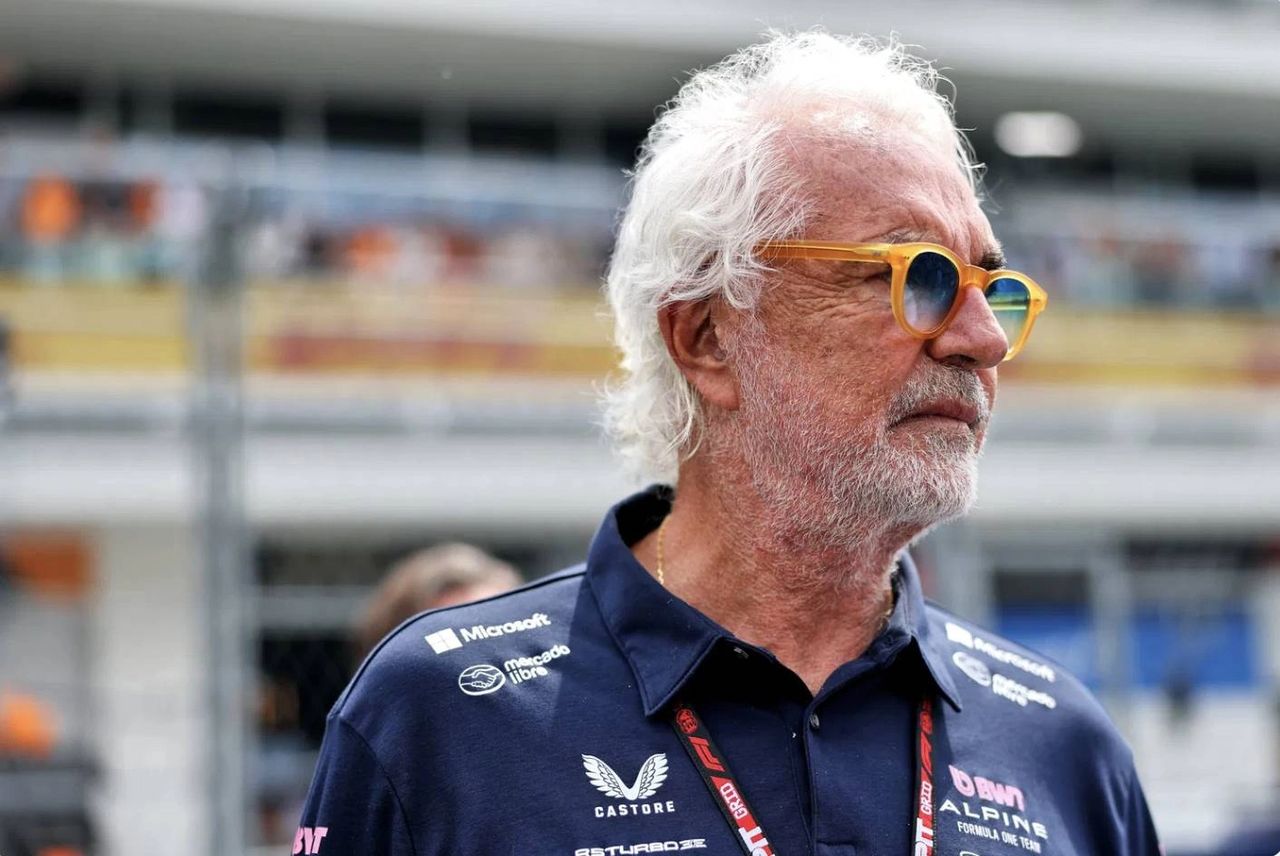
Renault has made its stance clear: they expect Alpine to win races in 2026. This isn’t vague corporate optimism — it’s a firm, public guarantee from both CEO Luca de Meo and Flavio Briatore.
But winning in Formula 1 requires more than ambition. As Alpine prepares to switch to Mercedes power units in 2026, the team’s future appears more like a brand partnership than an actual factory project. Add to that the return of Flavio Briatore, and the message gets muddled: Is Alpine building for the front… or backing away from being a full-fledged constructor?
🗾️ The goal is victory. The plan is a supplier switch. The problem? The pieces still don’t fully connect.
📣 The Commitment: “We Will Win”
“We will win in 2026.” — Luca de Meo.
It’s a bold statement — one meant to reassure fans, investors, and employees alike. But Alpine hasn’t looked like a race-winning team for some time.
- ❌ No wins since 2021
- ♻️ Frequent team principal and technical reshuffles
- 📉 Stagnating performance in the midfield
- 📦 And now, an exit from Renault power in favour of Mercedes
Since 2022, Alpine has seen a rapid turnover in top-level personnel:
- 🔄 Laurent Rossi was removed as CEO in 2023 following performance concerns
- 🧑✈️ Otmar Szafnauer, team principal, departed mid-season in 2023
- 🔧 Alan Permane, a 30-year veteran of the team, also exited abruptly
- 🔬 Pat Fry, chief technical officer, left for Williams
- 🧠 Matt Harman, technical director, resigned in 2024 amid uncertainty over the 2026 project
- 📉 Interim principal Bruno Famin later oversaw the F1 team before Flavio Briatore was appointed as a senior advisor
- Add in the recent departure of Team Principal Oliver Oakes as well and you have an impressive list of departures.
In parallel, the driver lineup also saw disruption:
- 🧢 Fernando Alonso left at the end of 2022, citing concerns over Alpine’s direction
- 🇦🇺 Oscar Piastri, a junior talent Alpine invested in, was lost to McLaren in a messy contract dispute
- 🇫🇷 Esteban Ocon left the team at the end of 2024, ending a tumultuous chapter marked by inconsistency and intra-team tension
And in the pipeline, the reshuffling continues:
- 👋 Alpine junior Jack Doohan has been dropped from the F1 trajectory, with his seat effectively passed to Franco Colapinto, a rising talent from Argentina who now takes the driver role — a move that hints at a reset in the team’s future driver planning.
The result? A team that looked fractured, rudderless, and increasingly caught between ambition and instability.
🔄 Briatore Returns — and Speaks His Mind
Flavio Briatore is back — not as team boss, but as a senior advisor although the way the outfit is being run many suggest it is in fact Flavio in complete control now. And his very first public remark may have been the most revealing of Alpine’s situation:
“The easiest way to win is to sign Verstappen — but we can’t.”
It’s a brutally honest assessment of where Alpine stands: without the car, without the driver, and now — soon — without its factory engine.
Briatore’s return is being framed as a fresh start, but many within the paddock see it as a last roll of the dice from a manufacturer that may be running out of patience.
⚙️ Why Mercedes Power Units?
The decision to switch to Mercedes power in 2026 marks a significant turning point for Alpine. It’s a move away from being a self-contained factory team — and into the customer ranks.
From that season:
🟢 Aston Martin becomes a Honda works team
🔵 Alpine becomes a Mercedes customer
🟠 McLaren and Willaims continues with Mercedes
🔴 Ferrari remains fully integrated and will also supply Haas and new team Cadilac.
⚪ Audi enters with a full works team using its own power unit as it takes over Sauber.
🟡 Red Bull and RB run Red Bull Powertrains + Ford
Alpine will no longer be a full-works team. Instead, they’ll be relying on the same power unit as multiple rivals — hoping that a more competitive engine gives them the base to build a winning car.
From a performance standpoint, it’s understandable. From a branding standpoint? It raises questions:
- Is this the first step toward Renault leaving F1 entirely?
- Will Alpine become a semi-independent brand like Aston Martin — with strong marketing and less factory identity?
- And can they really win without the complete control they once claimed was essential?
Speculation is growing that Renault could be positioning Alpine for sale. Offloading engine development removes a costly anchor, while a cleaner brand identity, simplified operations, and a focus on marketing appeal make the team more attractive to potential buyers — particularly in a global market where OEMs like Hyundai, Toyota, or Chinese manufacturers may be watching closely.
This could be the start of a soft exit, dressed up as a reset.
🧹 Alpine Still Feels Incomplete
With Briatore returning, Mercedes engines arriving, and technical leadership still uncertain, Alpine feels increasingly like a team searching for its place on the grid.
- 🗱 Not quite a factory powerhouse
- 🧢 Not quite a midfield rebel
- 🛠️ And still missing the consistency that defines modern F1 success
Compare that to Audi, which is committing fully to being a factory force, or McLaren, which has streamlined into a high-performance customer team with clear leadership.
Alpine risks being neither — and both.
🔍 Coffee Corner Take
Renault’s ambition — win in 2026 — is bold. Necessary, even.
But Briatore’s Verstappen comment says it all: Alpine doesn’t yet have the car, the driver, or the cohesion needed to cash that cheque.
Two years is both a gift and a deadline. And for a team that hasn’t found rhythm under stable rules, banking everything on a new formula might be as risky as it is refreshing.
Alpine’s ambition is loud. Their structure? Still uncertain. Their identity? Arguably more fragile than ever.
As for a takeover? In public the denial is loud and firm but the reality is this is a team who have positioned themselves to be sold.
Actions speak louder than words and Alpine’s action all point towards the exit.